Using Virtual Reality in Tourism Marketing: Proven Benefits
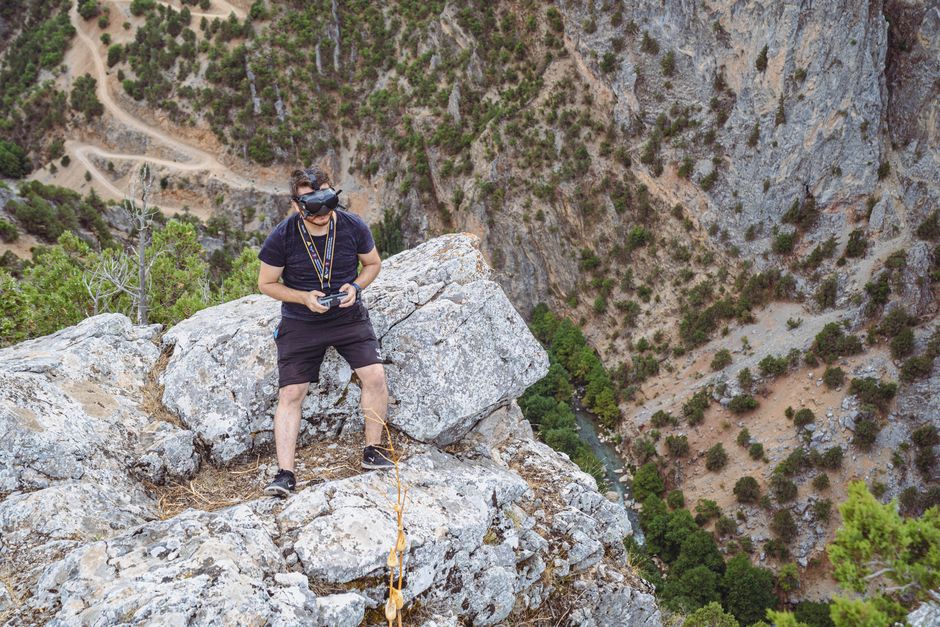
Virtual reality (VR) has transitioned from a niche technology to a mainstream tool in various industries, and tourism marketing is no exception. As travel brands and destination marketing organizations (DMOs) seek innovative ways to capture the attention of potential visitors, VR offers a unique opportunity to provide immersive previews of destinations and experiences. This article explores how VR tours can enhance engagement and conversion rates, drawing on case studies from leading organizations. By examining the methodologies and outcomes of these initiatives, we aim to provide a comprehensive overview of the benefits and considerations associated with integrating VR into tourism marketing strategies.
The tourism sector is inherently experience-driven, and VR aligns well with the need to convey the essence of a destination before a traveler commits to a booking. Through 360-degree videos and interactive simulations, VR allows users to virtually walk through hotels, explore landmarks, and even participate in local activities. This immersive approach not only captures attention but also helps potential visitors form a more concrete connection with a place, potentially influencing their decision-making process. However, the effectiveness of such campaigns depends on various factors, including the quality of the VR content, the target audience’s familiarity with the technology, and the integration of VR with other marketing channels.
Given the growing interest in VR within the travel industry, it is essential to understand not only the potential benefits but also the practical implications of implementing VR tours. This article will discuss how VR can be used to increase engagement, as measured by metrics such as time spent, interaction rates, and social shares, and how it can contribute to conversion rates, defined as the percentage of users who take a desired action, such as making a booking or requesting more information. By examining real-world examples, we hope to shed light on the strategies that have proven effective and the challenges that marketers might encounter.
Enhancing User Engagement with Immersive VR Tours
One of the primary benefits of VR in tourism marketing is its ability to significantly boost user engagement. Traditional forms of media, such as photos and videos, offer a passive viewing experience, whereas VR places the user in the center of the action, fostering a sense of presence and emotional connection. This heightened engagement can be observed in several ways. Firstly, VR experiences tend to hold users’ attention for longer periods. According to a study by the University of Maryland, users recall information better when presented in an immersive environment, which suggests that VR can be a powerful tool for brand messaging. Moreover, the interactive nature of VR encourages users to explore their virtual surroundings, leading to a deeper engagement with the content.
Furthermore, VR tours can be designed to induce a sense of ‘being there,’ which is particularly effective in sparking curiosity and wanderlust. For instance, the tourism board of Queensland, Australia, launched a VR campaign that allowed users to virtually dive the Great Barrier Reef. The campaign experienced high levels of interaction, with users spending an average of several minutes exploring the underwater world. This extended engagement is not only valuable for brand awareness but also for gathering valuable analytics, such as which parts of the experience users find most appealing. By analyzing user behavior within the VR environment, marketers can gain insights into traveler preferences and tailor their offerings accordingly.
Another dimension of engagement is the potential for social sharing. VR experiences are often more shareable than traditional content because they offer a novel experience that users may want to discuss or share with friends. Some brands have integrated social media features into their VR apps, allowing users to take screenshots or record their reactions, which can then be shared on platforms like Facebook and Instagram. This organic spread can amplify the reach of a campaign without additional advertising costs. However, the effectiveness of social sharing depends on the quality and uniqueness of the VR content, as well as the ease with which users can access the experience.
Despite these benefits, the level of engagement achieved through VR tours is not uniform across all audiences. Factors such as the user’s familiarity with VR technology, the availability of VR headsets, and the perceived relevance of the content play significant roles. For example, a user who has never used VR might be more impressed by a basic tour, while a tech-savvy user might expect a more sophisticated experience. Therefore, it is crucial for marketers to consider their target audience’s characteristics when designing VR campaigns. Understanding these nuances can help in creating VR experiences that are not only engaging but also aligned with the users’ expectations and technological access.
Impact on Conversion Rates: From Clicks to Bookings
The ultimate goal of any marketing campaign is to drive conversions, whether that means making a reservation, signing up for a newsletter, or downloading a brochure. VR tours have the potential to influence conversion rates by providing a more compelling and informative preview of a destination. By allowing potential travelers to ‘try before they buy,’ VR reduces the uncertainty associated with booking a trip to an unfamiliar place. This is particularly relevant for high-value purchases, such as luxury vacations or adventure tours, where the decision-making process involves significant consideration.
Several case studies have demonstrated a positive correlation between VR experiences and conversion rates. For instance, a hotel chain in the UK implemented VR tours of their properties and reported an increase in direct bookings on their website. In the VR tour, users could explore the rooms, amenities, and surrounding areas, which gave them a sense of the hotel’s ambiance and facilities. This immersive experience likely helped potential guests feel more confident in their choice, leading to a higher likelihood of booking. However, it is important to note that correlation does not imply causation, and the increase in conversions could be influenced by other factors, such as seasonal demand or promotional offers. Therefore, while VR may contribute to higher conversion rates, it is seldom the sole driver.
Another example comes from a DMO that created a VR tour of a historical city, allowing users to navigate through ancient streets and monuments virtually. The tour was embedded on the DMO’s website and promoted through email campaigns and social media. The organization observed a higher click-through rate to their booking partners compared to visitors who did not engage with the VR content. This suggests that VR can be an effective tool for driving traffic to booking platforms, particularly among undecided travelers who are seeking more immersive information. Yet, the conversion path is complex, and VR is just one of many touchpoints that influence a traveler’s decision.
It is also worth considering the role of VR in reducing the perceived risk of a destination. When travelers can virtually experience a place, they form expectations about what they will see and do. If the virtual experience aligns with the actual experience, the likelihood of satisfaction increases, which can lead to positive reviews and repeat business. On the other hand, if the VR experience is overly idealized, it might set unrealistic expectations, potentially leading to disappointment. Therefore, it is crucial for marketers to create VR content that is accurate and representative of the real destination, as this can build trust and credibility, which are fundamental to conversion.
Nevertheless, the impact of VR on conversion rates is not universal. Some travelers may be skeptical of VR content, thinking it might be manipulated or overly promotional. Others may prefer to rely on written reviews and recommendations from friends. Thus, VR should be integrated into a broader marketing mix, complementing other tools rather than replacing them. By offering VR as one of several ways to explore a destination, marketers can cater to different preferences and increase the overall effectiveness of their campaigns.
Case Studies: Success Stories from DMOs and Travel Brands
To illustrate the practical application of VR in tourism marketing, it is helpful to examine specific case studies from destination marketing organizations and travel brands. These examples provide insights into the strategies used, the outcomes observed, and the lessons learned, which can inform future VR initiatives.
One notable case study is that of Tourism New Zealand, which launched a VR campaign to promote the country’s landscapes and adventure activities. The campaign involved creating 360-degree videos that showcased hiking trails, waterfalls, and extreme sports such as bungee jumping. These videos were distributed through social media and at travel expos, where attendees could use VR headsets to experience the content. The campaign garnered significant media attention and led to an increase in website traffic and engagement. According to the tourism board, the VR campaign contributed to a rise in the number of visitors researching travel to New Zealand, although the direct impact on bookings was harder to quantify. This suggests that VR can be an effective awareness-raising tool, potentially leading to conversions further down the line.
Another example comes from the luxury hotel chain Marriott International, which introduced VR postcards as part of their ‘VRoom Service’ – a service that allowed guests to borrow VR headsets to explore destinations before booking their stay. By offering this experience, Marriott aimed to enhance the guest experience and differentiate themselves from competitors. Although the primary goal was to provide added value to guests, the initiative also served as a marketing tool, generating buzz and encouraging social sharing. The company reported that guests who used the VR service had higher satisfaction scores and were more likely to book future stays. This indicates that VR can contribute to customer loyalty and repeat business, which are important for long-term conversion success.
A DMO that successfully used VR to increase engagement is the city of Dubai’s Department of Tourism and Commerce Marketing. They developed a virtual reality experience that allowed users to roam around major attractions like the Burj Khalifa and the Dubai Mall. Promoted through the city’s official tourism website and an app, the VR tour was linked to a booking platform where users could directly book hotels and experiences. The campaign resulted in a noticeable uptick in the time users spent on the website and a higher conversion rate from page views to bookings. However, it is important to note that these results were part of a larger digital marketing strategy, and VR was just one element. Thus, attributing the entire increase in conversions to VR would be misleading, but it is clear that VR played a contributing role.
These case studies highlight that successful VR campaigns often involve careful planning, high-quality content, and integration with other marketing efforts. They also underscore the importance of measuring outcomes beyond just conversions, such as brand recall, engagement metrics, and user feedback. By adopting a holistic approach, DMOs and travel brands can maximize the benefits of VR while mitigating potential drawbacks.
Implementing VR Tours: Considerations and Best Practices
Integrating VR tours into a tourism marketing strategy requires careful consideration of several factors to ensure effectiveness and return on investment. One of the first decisions is whether to create VR content in-house or outsource to a production company. The choice depends on the brand’s budget, technical expertise, and desired level of quality. For smaller organizations, outsourcing may be more practical, as VR production involves specialized equipment and software. However, creating content in-house allows for greater control and possibly cost savings in the long run, especially if multiple tours are planned.
Another consideration is the distribution channels for the VR experience. VR content can be delivered through various platforms, including dedicated apps, YouTube 360°, and social media platforms that support immersive content. Each channel has its own advantages and reach. For example, YouTube 360° offers a wide audience with minimal friction, as users can view the content without a VR headset. On the other hand, a dedicated app can provide a more interactive and controlled experience, but it requires users to download and install the app. Marketers should evaluate their target audience’s preferred platforms and design the VR experience accordingly.
The length and interactivity of the VR tour are also crucial. While a short 360-degree video can be effective for quick engagement, longer, interactive tours may be more suitable for complex destinations or for users who are already interested. The level of interactivity can range from simple panning and zooming to fully navigable environments with hotspots that provide additional information. The choice should align with the campaign’s goals and the content’s subject matter. For instance, a hotel tour might benefit from interactive hotspots that show room details, while a destination overview might work better as a cinematic video.
Accessibility is another important factor. Not all users have access to VR headsets, and relying solely on headset-based experiences could exclude a significant portion of the audience. Therefore, it is advisable to offer experiences that are compatible with smartphones and web browsers, such as 360-degree videos that can be viewed by dragging the screen or using a cardboard viewer. This approach ensures that the VR content is accessible to a broader audience, increasing its potential impact. Additionally, providing a web-based version can facilitate sharing and embedding in email campaigns or on landing pages.
Measuring the success of a VR campaign is essential to justify the investment and to optimize future efforts. Key performance indicators might include the number of views, the average viewing duration, the completion rate, the click-through rate to booking pages, and the overall conversion rate. Qualitative feedback, such as user surveys and social media comments, can provide insights into the user experience and areas for improvement. By systematically collecting and analyzing these metrics, marketers can refine their VR strategies and demonstrate the ROI to stakeholders.
Finally, ethical considerations should not be overlooked. VR content should be truthful and not misrepresent the destination. If the experience is edited to exclude less attractive aspects, users might feel deceived when they arrive, leading to negative reviews. It is also important to consider the privacy of individuals who appear in the VR content, ensuring that any people featured have given their consent. By adhering to ethical standards, tourism brands can build trust with consumers and avoid potential backlash.
The Future of VR in Tourism Marketing
As technology continues to evolve, the role of VR in tourism marketing is likely to expand. Emerging trends, such as the integration of augmented reality (AR) and the development of more affordable and user-friendly headsets, are expected to make immersive experiences more accessible. For instance, the rise of 5G networks will enable higher-quality streaming, reducing the lag and increasing the realism of VR content. This could lead to more innovative applications, such as virtual travel agents or personalized trip planning through VR.
Another trend is the use of VR in conjunction with other technologies like artificial intelligence (AI) to create more personalized experiences. AI algorithms could analyze a user’s preferences and behavior within the VR environment to suggest tailored destinations or activities, enhancing the relevance and persuasive power of the content. Additionally, social VR, where multiple users can interact in a shared virtual space, could open up new possibilities for group travel planning or virtual events, such as travel fairs.
Despite these promising developments, the widespread adoption of VR in tourism marketing is not without challenges. The cost of high-quality VR production and the need for specialized skills may be prohibitive for some smaller organizations. Furthermore, the novelty of VR may wear off over time, making it less effective as a differentiator. Therefore, it is crucial for brands to integrate VR into a comprehensive marketing strategy that evolves with technological advancements and consumer preferences.
In the context of tourism marketing, VR should be viewed as a complementary tool that enhances engagement and provides information, rather than a standalone solution that guarantees conversions. Its effectiveness depends on the quality of the content, the target audience, and the integration with other marketing efforts.
As we look ahead, it is clear that VR has secured a place in the tourism marketer’s toolkit. By understanding its benefits, limitations, and best practices, organizations can leverage VR to create memorable experiences for potential travelers, ultimately contributing to their marketing objectives. The key lies in approaching VR with a strategic mindset, ensuring that it adds value to the customer journey and aligns with the brand’s overall vision.