Top Eco-Lodges in Costa Rica: A Sustainable Travel Guide
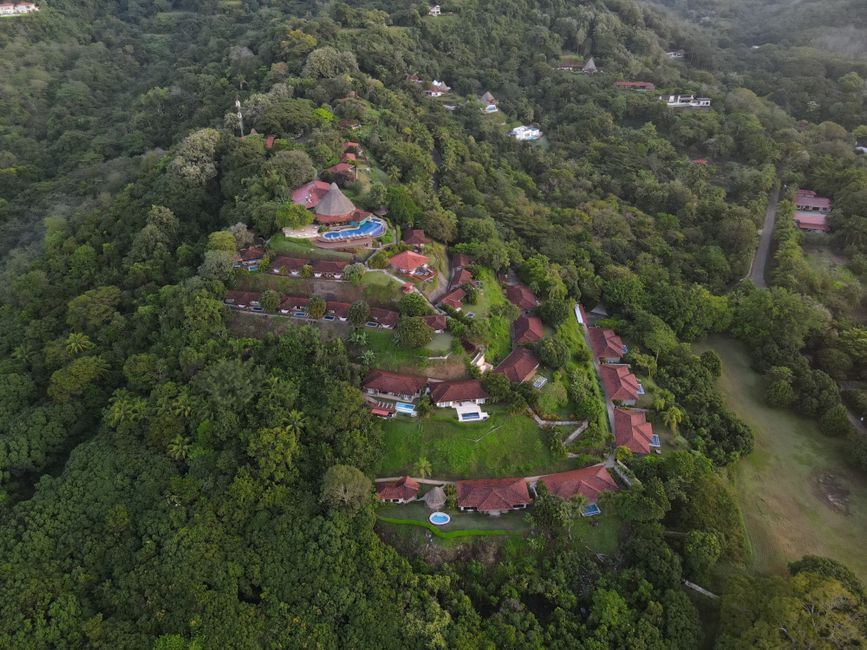
As travelers become increasingly aware of their environmental footprint, the demand for sustainable accommodation options has grown significantly. Costa Rica, a country renowned for its biodiversity and commitment to conservation, offers a wide range of eco-lodges that aim to minimize their impact while providing immersive experiences in nature. This guide explores the key features and considerations when choosing an eco-lodge in Costa Rica, focusing on renewable energy, local community involvement, and environmental practices. By understanding what constitutes a truly sustainable lodge, travelers can make informed decisions that align with their values and contribute to the preservation of this remarkable destination.
The concept of eco-tourism in Costa Rica has evolved over the years, with many lodges adopting comprehensive sustainability practices that go beyond basic recycling. These establishments often integrate renewable energy systems, such as solar or hydroelectric power, to reduce reliance on fossil fuels. They also engage with local communities, offering employment opportunities, supporting education, and sourcing products locally. Furthermore, many eco-lodges implement water conservation measures, waste management strategies, and habitat restoration projects. This article will delve into these aspects, providing a detailed overview of what makes an eco-lodge truly sustainable and how to identify the best options for a responsible travel experience.
Renewable Energy and Resource Efficiency
One of the primary pillars of sustainable lodging is the use of renewable energy sources. Many eco-lodges in Costa Rica have installed solar panels or micro-hydro systems to generate electricity, significantly reducing their carbon footprint. For instance, some lodges in remote areas rely on solar power for lighting and water heating, while others may use hydro turbines in nearby rivers. Beyond energy, efficient resource management is crucial. This includes implementing rainwater harvesting systems, using low-flow fixtures, and treating wastewater on-site to avoid pollution. When researching eco-lodges, it is advisable to look for certifications or clear statements about their energy and water practices. Additionally, some lodges offer guests the opportunity to participate in conservation activities, such as tree planting or wildlife monitoring, which further enhances their environmental contribution. However, it is important to note that the effectiveness of these measures can vary depending on the location and scale of the lodge, so a proactive inquiry is recommended.
In addition to renewable energy, waste reduction is a significant concern for eco-lodges. Many have adopted comprehensive recycling programs, composting organic waste, and minimizing single-use plastics. Some lodges go a step further by implementing zero-waste initiatives or using biodegradable products. Guests can also contribute by being mindful of their own consumption and following the lodge’s guidelines. It is also worth considering the lodge’s overall carbon footprint, including transportation and food sourcing. For example, lodges that grow their own organic produce or purchase from local farmers not only reduce food miles but also support the regional economy. These practices collectively contribute to a more sustainable tourism model, but it is essential to recognize that every lodge has its own approach, and travelers should evaluate their options based on their priorities.
Community Engagement and Local Benefits
Sustainable tourism extends beyond environmental practices to include social and economic dimensions. Many eco-lodges actively engage with local communities, providing fair wages, supporting education, and investing in infrastructure. By hiring local guides and staff, they help keep economic benefits within the region, fostering a sense of ownership and pride. Some lodges also collaborate with community organizations to protect natural resources or promote cultural heritage. For example, they might sponsor environmental education programs in schools or support local artisans by featuring their crafts in lodge decor. When choosing an eco-lodge, it is beneficial to look for those that have a clear community involvement policy or partnerships. This not only enhances the traveler’s experience but also ensures that tourism contributes positively to the well-being of local residents. However, it is important to remember that not all lodges are created equal; some may claim sustainability without substantial community engagement, so a thorough review of their initiatives is advisable.
Another aspect of community engagement is the opportunity for visitors to interact with local communities and learn about their traditions. Eco-lodges often arrange cultural experiences, such as cooking classes, traditional dance performances, or visits to nearby villages. These interactions provide a meaningful exchange and deepen the understanding of Costa Rican culture. Moreover, by staying at an eco-lodge, travelers indirectly support local livelihoods, which can be a powerful incentive for conservation. For instance, when communities derive income from tourism, they are more likely to protect their natural surroundings. This symbiotic relationship is a cornerstone of sustainable tourism, but it requires careful management to avoid over-commercialization. Travelers should seek lodges that emphasize respectful and authentic engagement rather than merely offering commodified experiences.
Environmental Conservation and Biodiversity
Costa Rica is home to an incredible array of ecosystems, from rainforests to mangroves, and many eco-lodges are situated in or near protected areas. These lodges often play a role in conservation efforts, such as reforestation projects, wildlife rehabilitation, or habitat restoration. Some have their own private reserves, which serve as corridors for wildlife and help maintain biodiversity. When selecting an eco-lodge, consider its commitment to protecting the surrounding environment. Look for evidence of conservation initiatives, such as partnerships with NGOs or research programs. Additionally, some lodges offer guided nature tours led by expert naturalists, which can educate visitors about local flora and fauna while promoting their conservation. However, it is crucial to ensure that these activities are conducted ethically, with minimal disruption to wildlife and habitats. Responsible eco-lodges prioritize the well-being of the environment over profit, and they often limit the number of guests to reduce impact.
In summary, the choice of an eco-lodge in Costa Rica involves careful consideration of its environmental, social, and economic practices. By prioritizing renewable energy, community engagement, and conservation efforts, travelers can support sustainable tourism and minimize their own impact. It is also essential to recognize that sustainability is a journey, and even the best eco-lodges face challenges. Therefore, travelers are encouraged to research and communicate with lodges directly to understand their specific practices and policies. Ultimately, choosing a sustainable eco-lodge is a step toward more responsible travel, but it is only one part of a broader commitment to preserving Costa Rica’s natural and cultural heritage for future generations.